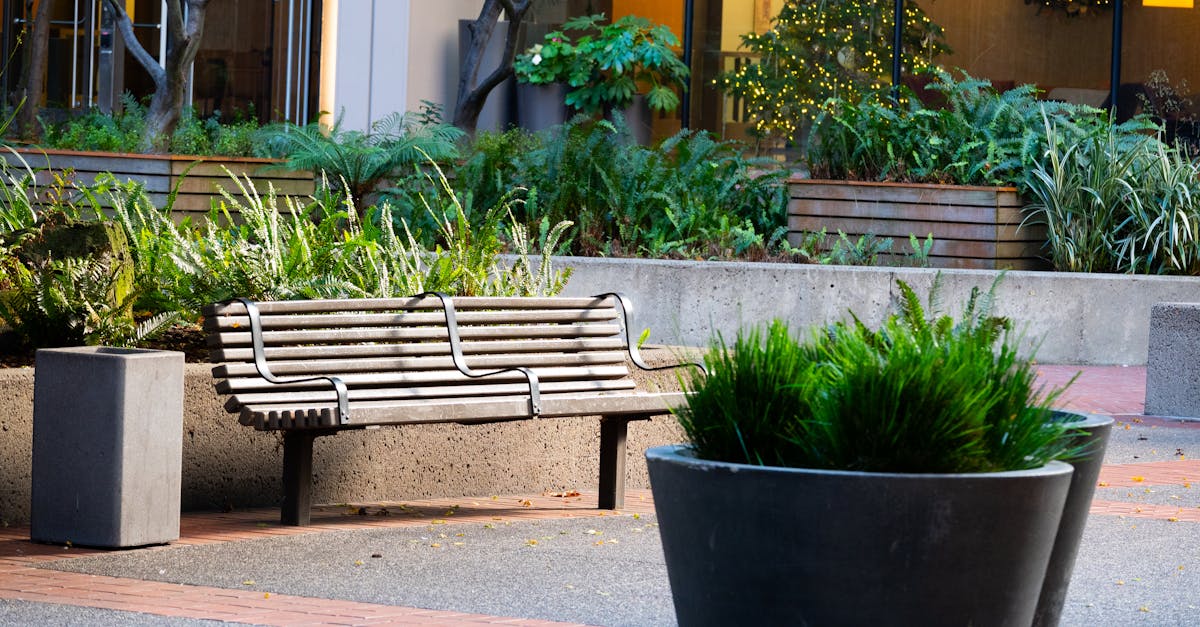
Urban Greening Initiatives for Business Premises in Victoria
Table Of Contents
Collaborating with Local Communities
Partnerships between businesses and local communities can enhance urban greening initiatives significantly. Through collaboration, businesses can tap into local knowledge and resources, which can lead to more effective and meaningful greening projects. Engaging community members in the decision-making process fosters a sense of ownership and responsibility. This inclusivity can result in approaches that are tailored to the unique needs and preferences of the community.
Cooperative efforts can also yield mutual benefits. By hosting workshops or volunteer days, businesses can empower community members while showcasing their commitment to environmental sustainability. Local residents often have valuable insights regarding native plant species and preferred landscaping styles. Together, businesses and communities can create greener, more inviting urban spaces that reflect local culture and values.
Engaging Community Stakeholders in Greening Efforts
Involving local community members in urban greening initiatives fosters a sense of ownership and pride. Businesses can benefit by partnering with schools, neighbourhood organisations, and environmental groups. These collaborations enhance the greening projects' visibility, encouraging wider participation and support. A community-focused approach also helps identify specific needs and preferences, which can lead to more effective and tailored greening strategies.
Regular workshops and informational sessions can create an open dialogue between businesses and community stakeholders. This engagement provides valuable insights into the local environment and cultural considerations. It can also help address concerns and suggestions from residents regarding the use of public spaces. Establishing a feedback loop nurtures trust and strengthens the partnership between businesses and the community, ensuring long-term commitment to sustainability goals.
Sustainable Practices for Urban Greening
Incorporating sustainable practices into urban greening requires a focus on native plant species. These plants are better adapted to local climates and require fewer resources, making them ideal for reducing water consumption and maintenance costs. Integrating biodiversity into greening projects can also enhance local ecosystems, providing habitats for wildlife and contributing to the overall health of urban environments. By prioritising native flora, businesses not only support the local environment but also create aesthetically pleasing spaces that resonate with the community.
Utilising eco-friendly materials and techniques can further enhance the sustainability of urban greening efforts. Rainwater harvesting systems, for instance, can help manage runoff and irrigate green spaces efficiently. Additionally, the use of recycled materials for planters and landscaping can minimise waste and promote a circular economy. Smart landscaping techniques, such as permaculture and xeriscaping, also offer innovative ways to optimise resources and create low-maintenance green areas. These practices are essential for businesses looking to incorporate sustainable solutions into their premises while also fostering a greener urban landscape.
Eco-Friendly Materials and Techniques
Incorporating eco-friendly materials into urban greening projects reduces environmental impact while promoting sustainability. Native plants are often prioritised for their adaptability to local climates and their ability to support local wildlife. Additionally, using recycled or sustainably sourced materials for furniture, pathways, and other installations contributes to a reduced carbon footprint. This choice not only fosters biodiversity but also enhances the aesthetic appeal of business premises.
Techniques that focus on minimising water usage and promoting soil health are vital components of successful urban greening. Rain gardens and permeable pavements effectively manage stormwater runoff while supporting plant growth. Implementing composting and organic fertilisation can further improve soil quality, creating a more resilient and self-sustaining green space. These approaches combine to create an environmentally friendly landscape that benefits both businesses and the surrounding community.
Challenges in Implementing Urban Greening
Urban greening initiatives, while beneficial, often face practical challenges that can hinder their successful implementation. Space limitations are a significant concern for urban businesses, particularly in densely populated areas where available land is minimal. These restrictions necessitate innovative solutions to incorporate greenery, such as vertical gardens or rooftop spaces. Businesses must also consider the specific needs of the plants selected, as not all species adapt well to urban environments.
Maintenance presents another hurdle for companies looking to implement and sustain green projects. The ongoing care required for gardens and green installations can strain resources, particularly for small businesses without dedicated landscaping teams. Furthermore, local climate conditions may pose additional challenges, requiring careful planning and investment in water-efficient systems. Ensuring that greening efforts are both sustainable and manageable is essential for long-term success.
Addressing Space Limitations and Maintenance
Urban environments often present significant challenges in terms of space for greening initiatives. Businesses may find limited room for planting trees or installing green roofs. Creative solutions such as vertical gardens and rooftop gardens can help maximise space effectively. These alternatives not only add greenery but also improve air quality and reduce urban heat.
Maintenance is another critical factor to consider when implementing greening strategies. Regular care, including watering, pruning and pest control, is essential to keep the greenery thriving. Engaging local horticulturists or landscape professionals can help ensure that these spaces remain vibrant and well-maintained. Additionally, educating staff and community members about plant care encourages collective responsibility and ongoing involvement in greening efforts.
FAQS
What are urban greening initiatives?
Urban greening initiatives involve the integration of natural elements, such as plants and green spaces, within urban environments to enhance aesthetics, improve air quality, and provide recreational areas for communities.
How can businesses in Victoria collaborate with local communities for greening efforts?
Businesses can collaborate with local communities by engaging in joint projects, supporting local environmental organisations, and involving community members in the planning and implementation of greening initiatives.
What sustainable practices can businesses adopt for urban greening?
Businesses can adopt sustainable practices such as using native plants, implementing rainwater harvesting systems, and creating green roofs or walls to promote biodiversity and reduce environmental impact.
What are some eco-friendly materials and techniques used in urban greening?
Eco-friendly materials include recycled or sustainably sourced soil, biodegradable planting materials, and permeable paving. Techniques may involve vertical gardens, edible landscaping, and habitat creation for local wildlife.
What challenges do businesses face when implementing urban greening initiatives?
Challenges include limited available space, high initial costs, ongoing maintenance requirements, and the need for community engagement and cooperation to ensure the success of greening projects.
Related Links
Developing Landscapes for Enhanced Customer ExperienceCreating Inviting Outdoor Workspaces: Trends and Tips
Cost-Effective Strategies for Business Landscaping
Effective Use of Hardscape in Commercial Landscape Design
The Impact of Outdoor Amenities on Employee Wellbeing