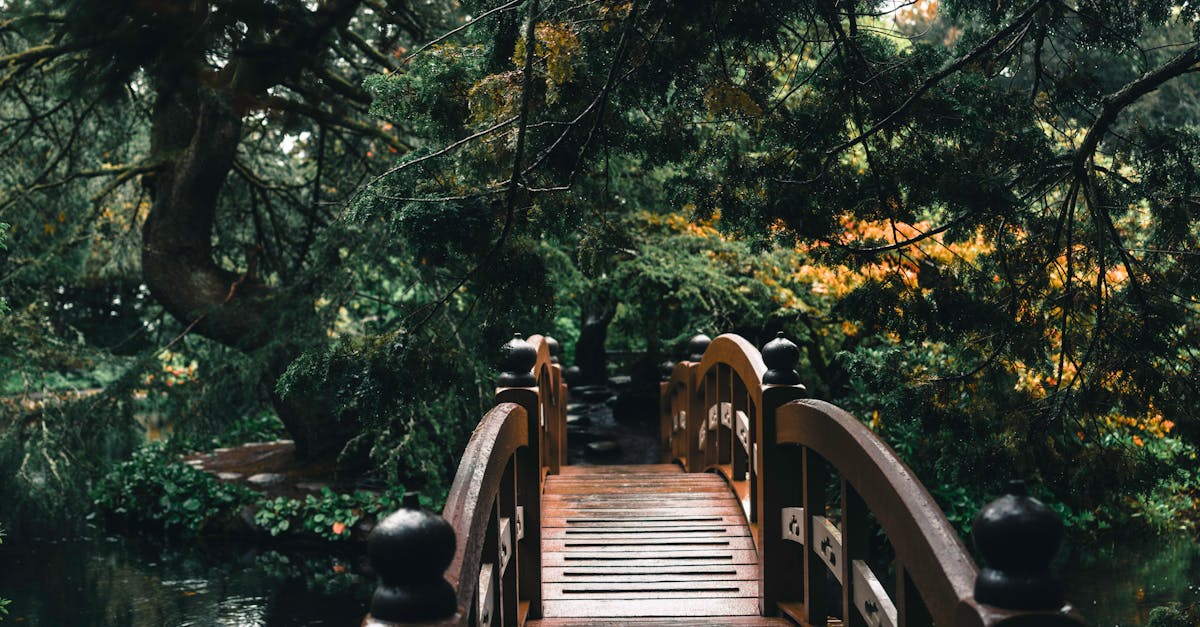
Transforming Outdoor Spaces with Victoria's Native Shrubs
Table Of Contents
Attracting Wildlife with Native Shrubs
Native shrubs play a vital role in attracting a diverse array of wildlife to gardens. Many local bird species, such as honeyeaters and wrens, are drawn to these plants for both shelter and food. The dense foliage provides ideal nesting sites, while the flowers produce nectar that sustains these creatures. Additionally, the fruiting shrubs offer essential sustenance for various bird species, luring them into the garden and encouraging a vibrant, dynamic ecosystem.
Pollinators, including bees and butterflies, also benefit significantly from native shrubs. Many of these plants feature blooms that provide a rich source of nectar and pollen, helping to support local pollinator populations. By incorporating a mix of native species, gardeners can create an inviting habitat that not only enhances the aesthetic appeal of outdoor spaces but also fosters biodiversity. This interaction enriches the environment, making gardens a haven for both wildlife and plant life.
How Shrubs Support Local Ecosystems
Native shrubs play a crucial role in sustaining local wildlife, serving as both habitat and food sources for various species. Birds, insects, and small mammals rely on these plants for shelter and sustenance. Many native species produce berries, nectar, or seeds that attract pollinators and other fauna. The intricate web of interactions fosters biodiversity, making ecosystems more resilient and vibrant.
Furthermore, native shrubs contribute to soil health and moisture retention. Their root systems stabilise the soil, preventing erosion and promoting nutrient cycling. When planted in sustainable designs, these shrubs assist in filtering rainwater, improving water quality, and reducing runoff. Incorporating native vegetation supports the overall functionality of ecosystems, paving the way for a thriving community of plants and animals alike.
Incorporating Native Shrubs in Small Gardens
Small gardens present unique challenges but also significant opportunities for incorporating native shrubs. These plants offer a range of benefits, such as attracting local wildlife and enhancing biodiversity. Selecting the right species can transform a compact outdoor space into a thriving habitat. Some native shrubs, like the Banksia and Grevillea, are well-suited to smaller areas and thrive in various conditions, ensuring beauty throughout the seasons.
Maximising the limited space in urban settings requires strategic planting. Layering shrubs of different heights creates depth and visual interest. Choosing species that thrive together can promote healthy growth and reduce maintenance. Options like the hardy Correa or the delicate Hibbertia can be paired to create a dynamic landscape. Additionally, incorporating native shrubs into vertical gardens or containers maximises space while adding greenery to otherwise utilitarian areas.
Maximising Space with Smart Planting
Small gardens can benefit greatly from the strategic use of native shrubs, allowing limited space to bloom with life and beauty. When selecting plants, consider their growth habits and mature sizes. Choosing varieties that maintain a compact form helps avoid overcrowding while enhancing visual appeal. Incorporating taller shrubs at the back or centre of a border will create layers, drawing the eye across the garden and giving it depth.
Planting in clusters rather than single specimens can elevate the garden's aesthetics and improve plant health. Grouping shrubs with similar water, light, and soil requirements ensures that they thrive together, creating a harmonious ecosystem. Additionally, incorporating ground covers or low-growing species around the base of larger shrubs can reduce weed competition and promote a lush understorey. This layered approach not only makes the best use of available space but also creates inviting habitats for local wildlife.
Transforming Larger Landscapes with Native Shrubs
Larger landscapes offer unique opportunities to showcase the beauty and ecological benefits of native shrubs. By selecting a diverse range of species, one can create layers of texture and colour while providing essential habitats for local wildlife. Incorporating native shrubs can help to define spaces, enhance visual interest, and establish a connection to the surrounding environment. The use of shrubs with differing heights and flowering times ensures year-round appeal and naturalised aesthetics.
Strategically placed native shrubs can also serve as natural windbreaks and privacy screens, enhancing both functionality and design. Featuring plants that thrive in the local climate ensures lower maintenance and water use, contributing to sustainable practices in landscape design. Furthermore, integrating these shrubs with native grasses, ground covers, and trees fosters a cohesive and resilient ecosystem, benefitting both the landscape and the broader environment.
Creating Impactful Design Features
Integrating native shrubs into larger landscapes can significantly elevate the visual appeal of outdoor spaces. The unique forms, textures, and seasonal colours of these plants offer endless possibilities for design. Placing taller varieties at the back of a border enhances depth while shorter species can create vibrant foregrounds. Grouping shrubs in clusters or drifts can lead to stunning displays that attract both attention and local wildlife.
Strategic planting allows for the creation of focal points throughout the landscape. Consider a striking Australian native like the Grevillea or Callistemon to catch the eye. These plants not only bring colour and structure but also provide habitat and food for native birds and insects. Pathways and seating areas can be enhanced by framing them with shrubs, creating an inviting space to relax amidst nature. By thoughtfully designing with native shrubs, outdoor environments transform into thriving ecosystems that look good and support local biodiversity.
FAQS
What are the benefits of using native shrubs in my garden?
Native shrubs provide habitat for local wildlife, require less water and maintenance, and are adapted to the local climate, making them a sustainable choice for landscaping.
How can native shrubs attract wildlife to my garden?
Native shrubs produce flowers and fruits that are food sources for local birds, insects, and pollinators. By planting these shrubs, you can create a vibrant ecosystem that supports biodiversity.
What are some tips for incorporating native shrubs in a small garden?
To maximise space in a small garden, consider using vertical planting techniques, choosing dwarf varieties of native shrubs, and grouping plants with similar water and sunlight needs.
How can I create impactful design features with native shrubs in larger landscapes?
In larger landscapes, you can create visual interest by using varied heights, shapes, and colours of native shrubs, as well as strategically placing them to frame views or highlight specific areas of the garden.
What maintenance do native shrubs require once established?
Once established, native shrubs typically require minimal maintenance. Regular watering during dry spells, occasional pruning, and monitoring for pests are recommended to keep them healthy.
Related Links
Biodiversity-Friendly Native Plant Combinations for Your GardenDesigning with Native Grasses: A Trend for Modern Landscapes
A Guide to Victoria's Endemic Plants for Landscape Designers
Creating Microhabitats with Native Perennials in Urban Gardens
Seasonal Colour Palettes: Native Plants that Thrive Year-Round
Native Plant Groupings for Aesthetic and Ecological Impact
How Indigenous Plant Species Enhance Local Biodiversity