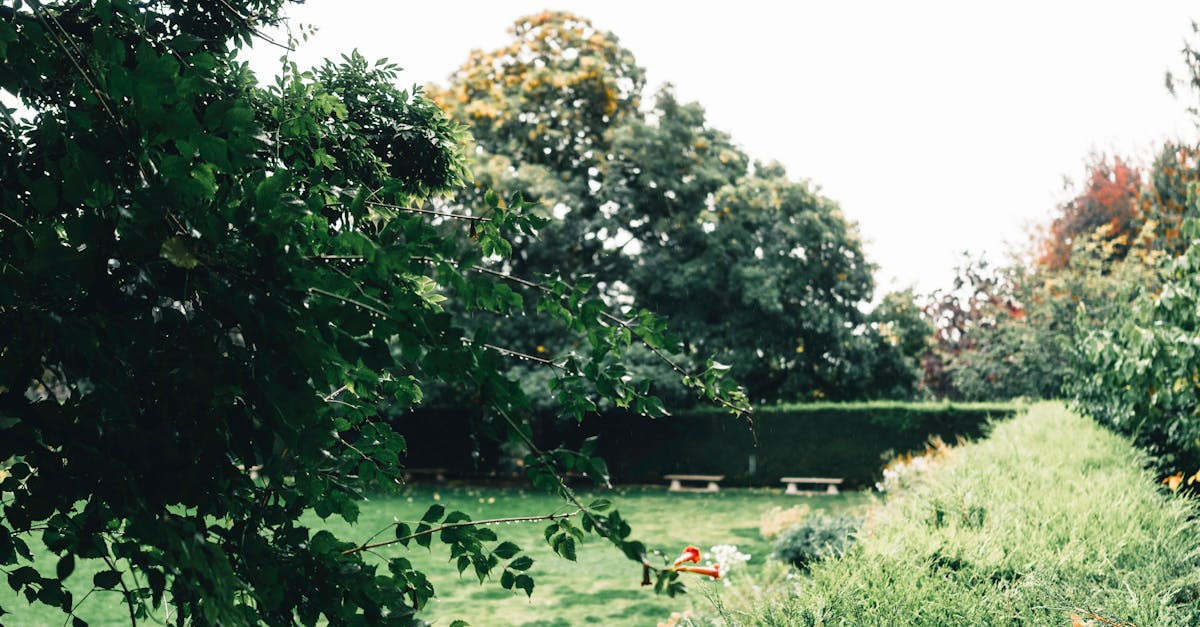
Sustainable Materials for Victorian Residential Garden Designs
Table Of Contents
Native Plants
Incorporating native plants into garden designs significantly enhances sustainability by promoting biodiversity and reducing water consumption. These plants have adapted to local climates, soil types, and wildlife, making them more resilient and easier to maintain compared to exotic species. Their natural resistance to local pests and diseases means gardeners can minimise the use of chemical fertilisers and pesticides, fostering a healthier ecosystem.
Choosing native flora not only benefits the environment but also supports local wildlife, providing essential habitats and food sources for birds, insects, and other creatures. By creating a garden filled with native species, homeowners can contribute to the preservation of local ecosystems while enjoying a landscape that is uniquely representative of the region’s natural beauty. This approach aligns well with Victorian residential garden designs that aim for a harmonious balance between aesthetics and ecological responsibility.
Selecting Plants That Thrive in Victorian Climates
When selecting plants for Victorian gardens, it's essential to consider native species that are well-adapted to local conditions. Indigenous plants not only withstand the region's variable climate but also support local wildlife and biodiversity. Species such as the Australian native grasses, such as Themeda triandra (Kangaroo Grass), and flowering plants like acacias can enhance the garden's ecological value while requiring minimal water and maintenance.
Incorporating a range of flora that thrives in the local environment can create a dynamic garden that evolves with the seasons. Drought-resistant varieties, such as the beautiful Correa reflexa or Hakea laurina, offer both beauty and resilience. By choosing these plants, gardeners can foster a landscape that is both attractive and sustainable, making the most of Victoria's unique climate and soil characteristics.
Composting and Soil Health in Garden Design
Composting plays a vital role in enhancing soil health, especially in the context of garden design. By transforming kitchen scraps and garden waste into nutrient-rich compost, gardeners can contribute to a sustainable cycle that enriches the soil. This process not only reduces waste going to landfill but also helps improve soil structure and nutrient content, which is essential for plant growth. Gardeners should consider incorporating compost into their soil preparation to create a more vibrant and resilient garden environment.
Utilising organic matter like compost significantly benefits soil health in Victorian gardens. It encourages beneficial microbial activity and enhances the soil’s capacity to retain moisture, reducing the need for frequent watering. Additionally, compost can help suppress plant diseases and pests by promoting a balanced ecosystem. By prioritising composting in garden designs, gardeners can foster a more sustainable approach that aligns with environmentally responsible practices.
Benefits of Using Organic Matter in Soil Preparation
Incorporating organic matter into soil preparation significantly enhances its structure and fertility. This amendment promotes a healthier microbial ecosystem, allowing beneficial organisms to thrive. Such a rich soil environment supports robust plant growth and contributes to better water retention, reducing the need for excessive irrigation. Over time, organic matter breaks down, releasing essential nutrients back into the soil, thereby sustaining plant health and vitality.
Moreover, organic matter plays a crucial role in improving soil aeration and drainage. This is particularly beneficial in Victorian gardens, where heavy clay soils can often hinder plant performance. By integrating compost, well-rotted manure, or other organic materials, gardeners can facilitate deeper root penetration and encourage a more resilient garden ecosystem. Enhanced soil quality not only promotes a thriving garden but also reduces the reliance on chemical fertilisers, aligning with sustainable gardening practices.
Water Conservation Techniques
Incorporating water conservation techniques into garden design is essential for sustainability, especially in regions prone to drought. One effective method is the establishment of rain gardens, which are designed to collect and absorb stormwater runoff. By strategically placing these gardens, homeowners can reduce water wastage and simultaneously enhance the biodiversity of their gardens. The native plants incorporated in these gardens are well adapted to local conditions, requiring less water while offering aesthetic appeal and habitat for local wildlife.
Another valuable approach is the implementation of drip irrigation systems. This technique delivers water directly to the roots of plants, minimising evaporation and runoff. Homeowners can customise these systems to suit the specific needs of their garden, ensuring efficient water usage. By investing in these technologies, gardeners not only conserve precious water resources but also promote a healthier landscape that thrives with minimal maintenance.
Implementing Rain Gardens and Drip Irrigation
Rain gardens serve as a natural solution to manage stormwater runoff in residential landscapes. Designed to collect and filter rainwater from impervious surfaces like roofs and driveways, these gardens allow for the absorption of excess water. Native plants, well-suited to the local environment, are often incorporated to enhance both the aesthetic appeal and ecological function of the space. These gardens not only help mitigate flooding but also reduce water pollution by filtering contaminants before they reach local waterways.
Drip irrigation systems offer a precise and efficient method of watering that conserves water and supports plant health. By delivering water directly to the roots, these systems minimise evaporation and runoff, ensuring that plants receive the right amount of moisture without wastage. Installing a drip irrigation system can be tailored to the garden's specific layout and plant needs. Over time, this irrigation method can significantly lower water usage while promoting lush, sustainable garden growth.
FAQS
What are native plants and why are they important for sustainable garden designs in Victoria?
Native plants are species that naturally occur in a specific region. They are important for sustainable garden designs in Victoria because they require less water, are more resilient to local pests and diseases, and support local wildlife, contributing to biodiversity.
How can I select plants that will thrive in the Victorian climate?
To select plants that thrive in the Victorian climate, consider factors such as soil type, sunlight exposure, and water availability. It’s advisable to choose local native species that are well-adapted to the local weather conditions and soil types.
What is the role of composting in garden design?
Composting plays a vital role in garden design by improving soil health, enhancing nutrient availability, and promoting beneficial microbial activity. It also reduces waste by recycling organic materials, making it an eco-friendly practice.
What are the benefits of using organic matter in soil preparation?
Using organic matter in soil preparation offers numerous benefits, including improved soil structure, enhanced moisture retention, increased fertility, and better drainage. It also supports a healthy ecosystem within the soil, which is essential for plant growth.
What water conservation techniques can I implement in my garden?
Effective water conservation techniques include installing rain gardens, which capture and filter rainwater, and using drip irrigation systems that deliver water directly to plant roots, minimising waste. Mulching and using drought-tolerant plants are also beneficial strategies.
Related Links
Seasonal Colour Schemes for Residential Gardens in VictoriaDesigning for Family-Friendly Gardens: A Guide for Victorian Homes
Designing Child-Friendly Gardens: Safety and Fun in Victoria
Incorporating Outdoor Entertainment Areas in Residential Landscapes
Low-Maintenance Garden Solutions for Busy Households in Victoria
Maximising Small Outdoor Areas in Victoria's Suburban Homes
Enhancing Curb Appeal: Front Garden Designs for Victorian Properties
Integrating Native Flora into Residential Landscapes in Victoria