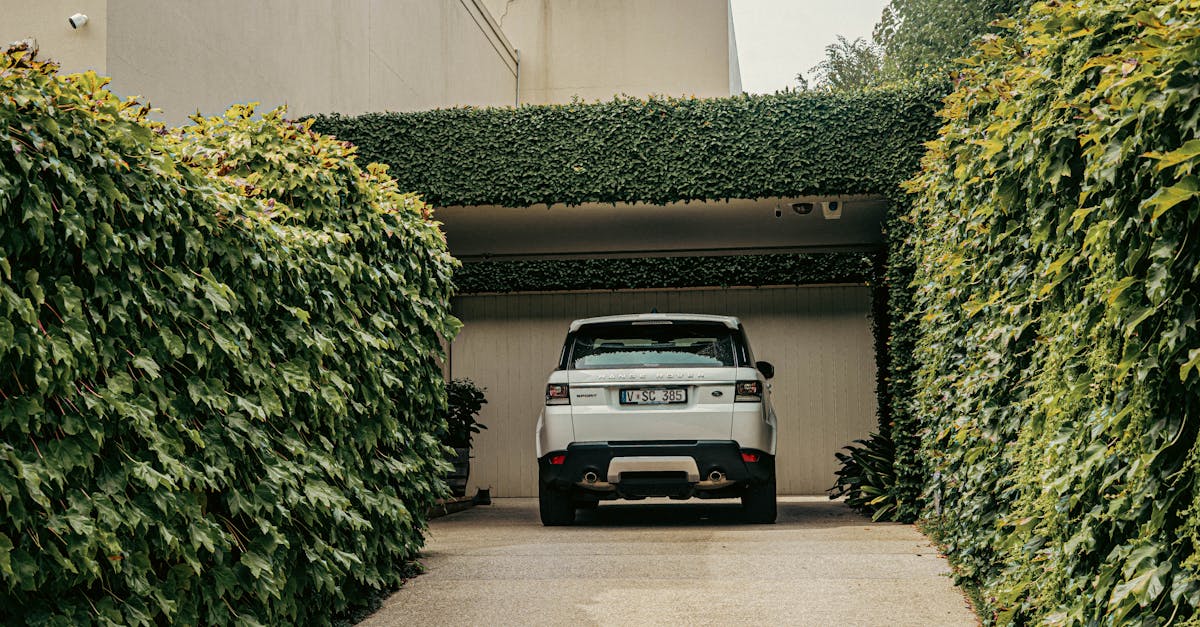
Shaping Your Shrubs: Techniques for Professional Results
Table Of Contents
Shaping Shrubs for Aesthetic Appeal
Creating an aesthetically pleasing landscape involves the thoughtful shaping of shrubs to enhance their natural beauty. Techniques such as hedging, topiary, and rounding can transform ordinary plants into focal points within a garden. The appropriate style often depends on the desired look and overall theme of the outdoor space. For instance, rounded shapes can impart a sense of softness, while geometric forms lend a more formal and structured appearance. The choice of technique should also consider the growth habits and species of the shrub.
Incorporating varying heights and densities within shrub arrangements can further elevate the visual appeal. Layering low and high shrubs offers depth, attracting the eye while providing a sense of continuity. Strategic placement can also create a sense of flow throughout the garden. Balancing different textures can enhance the aesthetic, drawing attention to the unique characteristics of each shrub. A well-thought-out design that respects the growth patterns and natural forms of plants ensures that the garden remains pleasing to the eye throughout all seasons.
Popular Design Styles for Shrub Shaping
When considering shrub shaping, several design styles can elevate the overall appearance of a garden. Formal gardens often feature geometric shapes, where shrubs are pruned into precise forms like spheres, cubes, or pyramids. This style promotes symmetry and order, creating a visually pleasing landscape. In contrast, naturalistic gardens embrace a more relaxed approach, allowing shrubs to maintain their organic forms while still guiding their growth. Here, shrubs may be shaped to complement the surrounding plants and environment, fostering a harmonious blend with nature.
Another popular choice is the cottage garden style, which exudes charm and informality. This aesthetic often incorporates a diverse variety of flowering shrubs, creating a lush and vibrant look. The aim is not rigid structure but rather a sense of abundance and conviviality. Minimalist gardens take an opposing route, where simplicity reigns. Shrubs are carefully chosen for their architectural qualities, often left untrimmed to show off their natural beauty. This style emphasises clean lines and uncluttered spaces, promoting a tranquil and meditative atmosphere.
Addressing Shrub Health Issues
Healthy shrubs contribute significantly to the overall appeal of a garden. Pests and diseases can quickly undermine their vitality. Regular visual inspections help identify early signs of decline such as wilting leaves or stunted growth. Differences in colouration might suggest nutrient deficiencies or root damage. Common pests include aphids, spider mites, and scale insects. For optimal health, knowledge of these issues is essential.
In addition to pests, environmental factors play a crucial role in shrub health. Excess moisture can lead to root rot, while inadequate watering may cause dehydration. Soil composition affects nutrient uptake; poor drainage can suffocate roots. Mulching can help regulate temperature and moisture levels, creating a more stable environment. Addressing these environmental challenges early will mitigate long-term damage and promote robust growth.
Signs That Indicate Your Shrubs Need Attention
Discoloured leaves serve as an early warning sign that your shrubs may require care. Yellowing can indicate nutrient deficiencies or improper watering, while browning edges could suggest drought stress or sunburn. Additionally, wilting foliage might hint at underlying issues, whether it's root rot from overwatering or dehydration from insufficient moisture. Observing these signs can help gardeners take timely action to restore their shrubs to health.
Pest infestations can also be a cause for concern. Look for tiny holes in leaves or sticky residue on foliage, which may signal the presence of insects. Furthermore, distorted growth patterns or unusual lumps on stems often indicate a need for intervention. Regular inspection is crucial in identifying problems early and ensuring your shrubs remain vigorous and lush.
Aftercare Following Pruning
After pruning, maintaining the health of your shrubs is crucial for their recovery and ongoing vitality. Watering adequately is a priority, as freshly cut plants may require more moisture to encourage growth. Apply a layer of mulch around the base to retain soil moisture and regulate temperature. This method also reduces competition from weeds, creating a healthier environment for your shrubs.
Fertilising can provide essential nutrients to support new growth. Look for a balanced, slow-release fertiliser, which offers a steady supply of nutrients over time. Monitoring for pests and diseases after pruning is important. Early detection can prevent any potential health issues from escalating. Regularly check the foliage and surrounding soil for signs of stress or infestation, and manage any problems promptly to ensure your shrubs thrive.
How to Nurture Your Shrubs Post-Pruning
After pruning, it is essential to provide adequate care to help your shrubs recover and thrive. Watering is a critical step; ensure the soil remains consistently moist but not waterlogged. Mulching around the base can help retain moisture and regulate soil temperature. This not only suppresses weeds but also provides a steady release of nutrients as it breaks down. Consider using organic materials like bark chips or straw for a natural approach.
Fertilisation becomes vital after significant pruning to support new growth. A balanced, slow-release fertiliser can provide the nutrients needed without overwhelming the plants. Monitoring the health of your shrubs in the following weeks is essential. Look for new growth and pay attention to any signs of stress, such as wilting leaves or unusual discoloration. Timely interventions can prevent long-term damage and ensure your shrubs flourish in their newly shaped form.
FAQS
What is the best time of year to shape my shrubs?
The best time to shape your shrubs is typically during late winter or early spring before new growth begins. This allows for optimal recovery and growth during the growing season.
What tools do I need for shaping my shrubs effectively?
Essential tools for shaping shrubs include sharp pruners or shears, loppers for thicker branches, a hand saw for larger limbs, and safety gloves to protect your hands.
How can I tell if my shrubs are unhealthy?
Signs that indicate your shrubs need attention include yellowing leaves, stunted growth, poor flowering, visible pests, or dead branches. If you notice any of these issues, it may be time to assess their health.
Should I use fertiliser after pruning my shrubs?
Yes, applying a balanced fertiliser after pruning can help promote healthy growth. Just make sure to follow the manufacturer's instructions and apply it at the right time to support your shrubs' recovery.
Can I shape my shrubs into specific designs?
Absolutely! Popular design styles for shrub shaping include formal hedges, topiary, and naturalistic forms. Consider your garden's overall aesthetic and choose a style that complements your landscape.
Related Links
The Role of Pruning in Encouraging Plant GrowthMastering the Art of Pruning for a Healthier Garden
Seasonal Pruning Guide for Victoria's Unique Climate
Understanding Plant Growth Habits for Better Pruning
Pruning Techniques for Flowering Plants and Foliage
Common Mistakes to Avoid When Trimming Trees and Hedges