Incorporating Native Australian Plants in Your Garden Renovation
Table Of Contents
Attracting Local Wildlife
Incorporating native Australian plants into your garden can significantly enhance the local ecosystem. Many native species provide essential food and shelter for a variety of wildlife. Birds, insects, and small mammals are naturally drawn to these plants, as they offer the nourishment and habitat these creatures require for survival. By creating a space filled with indigenous flora, you contribute to the preservation of local biodiversity.
Choosing a diverse selection of native plants is crucial for attracting wildlife. Flowers that bloom at different times of the year can ensure a continuous food supply for pollinators like bees and butterflies. Additionally, incorporating plants that produce seeds and fruits will support the diets of local birds and other wildlife. This intentional selection helps foster a vibrant environment where animals thrive, creating a living tapestry that benefits both the plants and the creatures they support.
Creating Habitats for Native Fauna
Using native Australian plants in your garden can significantly enhance its appeal to local wildlife. These plants offer food sources and shelter to various species, fostering a natural ecosystem. Incorporating flowering plants attracts pollinators such as bees and butterflies, while dense shrubs provide refuge for small birds and mammals. Additionally, including ground covers can benefit reptiles and insects, promoting biodiversity within your garden.
To further encourage fauna, consider creating specific areas within your garden that mimic natural habitats. Installing bird baths or small water features can draw in birds and beneficial insects. Native grasses can create open areas for foraging, while rocks and logs can serve as hiding spots for countless creatures. By designing with these elements in mind, homeowners can cultivate a lively and dynamic environment that supports and nurtures local wildlife populations.
Seasonal Care for Native Plants
Understanding the seasonal needs of native plants is crucial for thriving gardens. In spring, many native species begin to bloom. Regular watering is essential during this period to support new growth. Summer often brings harsh conditions, necessitating deeper watering sessions less frequently to encourage robust root development. Mulching can help retain moisture and suppress weeds, providing a more hospitable environment for the plants.
Autumn presents an excellent time for pruning and preparing plants for the cooler months. Deadheading spent blooms is beneficial, promoting additional flowering and enhancing plant aesthetics. During winter, many native plants enter dormancy and require minimal intervention. Ensuring adequate drainage can help prevent root rot as well. By tailoring care routines to the season, gardeners can effectively support the health and vitality of their native flora.
Adapting Maintenance Routines Throughout the Year
Seasonal changes necessitate adjustments in maintenance routines for native plants. In spring, it is important to monitor growth closely as many native species burst into life. This period is ideal for fertilising, as plants respond well to nutrient boosts. Regular watering may be required, especially for plants establishing their roots after the cooler months. Checking for pests and diseases is also crucial, as new growth can attract unwanted visitors.
As summer arrives, the focus shifts to water conservation and temperature management. Mulching helps retain moisture and keeps the soil temperature stable. Pruning may be necessary to promote air circulation and reduce shading of the more delicate species. In autumn, a different approach is needed, focusing on a thorough clean-up of fallen debris to prevent fungal diseases. This is also an excellent time to assess plant health and plan for any replacements or adjustments before winter's arrival.
Integrating Native Plants with Other Garden Elements
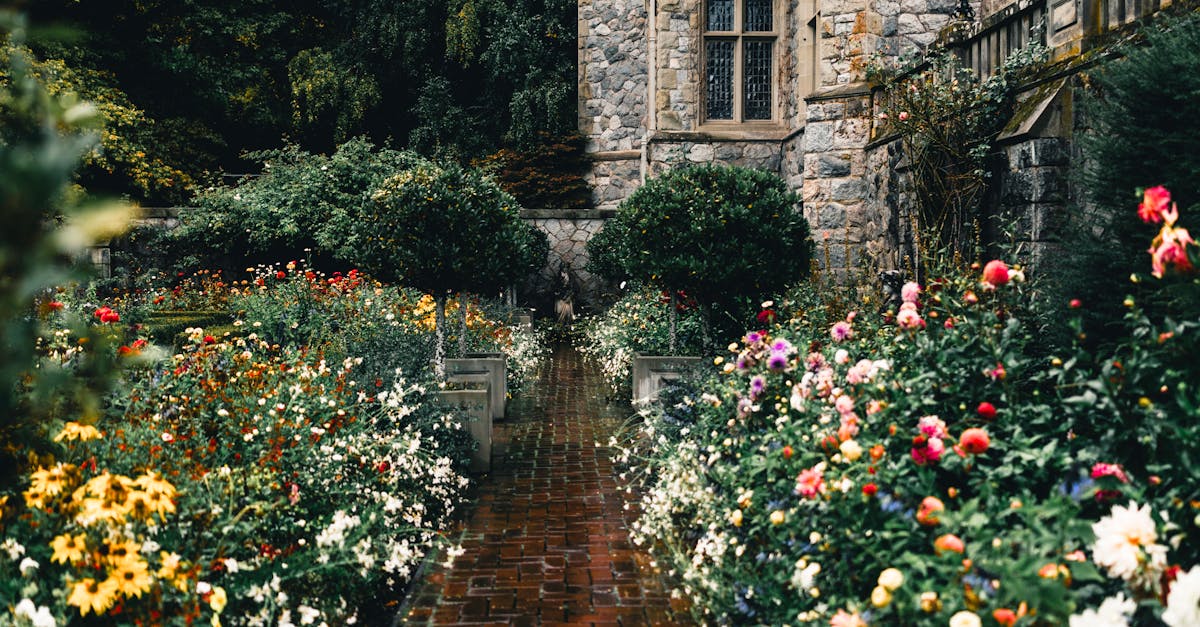
Incorporating native plants seamlessly with pathways, decks, and other hardscaping features enhances the garden's aesthetic while promoting environmental benefits. The natural forms and colours of Australian flora can soften the harsh lines of stone and timber, creating a harmonious balance. For instance, clustering low-growing native variegated grasses alongside stone paths not only directs foot traffic but also adds visual texture. Using native shrubs and ground covers can act as natural borders, providing both privacy and shelter while maintaining a coastal or bush-inspired theme.
The careful selection of materials can further underscore the beauty of native species. When designing seating areas or entertainment spaces, consider using natural stone or recycled timber that complements the organic shapes of local plants. Incorporating features such as rock walls or raised beds can effectively elevate native plantings, allowing for better drainage and enhanced visibility. The interplay of different heights and textures can transform a garden into a captivating space that thrives on its natural surroundings and encourages the flourishing of local wildlife.
Combining with Hardscaping Features
Incorporating native plants alongside hardscaping elements can enhance the overall aesthetic and ecological value of your garden. Australian native species, with their unique textures and colours, can soften the more rigid structures of patios, pathways, and walls. Using natural stone or timber as a backdrop for these plants creates a harmonious blend, providing visual interest while also celebrating the local environment.
When designing these combinations, consider the scale and layout of both the plants and hardscaping features. For instance, larger native shrubs can serve as effective privacy screens or focal points against a stone wall, while ground-cover species can fill gaps between pavers. Additionally, using materials that complement your native plants will ensure a cohesive look, making the outdoor space feel both inviting and connected to the surrounding landscape.
FAQS
Why should I incorporate native Australian plants into my garden?
Native Australian plants are well-adapted to the local climate and soil conditions, requiring less water and maintenance than non-native species. They also support local wildlife, promoting biodiversity in your garden.
How can native plants attract local wildlife?
Native plants provide essential food sources and habitats for local fauna, such as birds, insects, and small mammals. By incorporating flowering native species, you can create a natural ecosystem that encourages wildlife to thrive in your garden.
What types of habitats can I create for native fauna in my garden?
You can create various habitats by including native shrubs, ground covers, and trees. Additionally, integrating features like rock piles, logs, and water sources can provide shelter and food for various species.
How do I take care of native plants seasonally?
Seasonal care for native plants typically includes monitoring water needs, applying mulch to retain moisture, and pruning as necessary. In spring, focus on promoting growth, while autumn is a good time to prepare plants for winter.
Can I combine native plants with other garden elements like hardscaping?
Yes, integrating native plants with hardscaping features such as paths, patios, and stone walls can create a harmonious landscape. Ensure that the materials and design complement the natural aesthetic and needs of the native species you choose.
Related Links
Designing Functional Outdoor Spaces Through Effective Garden RenovationBefore and After: Inspiring Garden Renovation Success Stories
Eco-Friendly Practices for Garden Renovation in Victoria
Budgeting for Your Garden Renovation: Tips and Tricks
The Role of Hardscaping in Garden Renovation Design
Choosing the Right Plants for Your Victoria Garden Makeover
Essential Steps for a Successful Garden Renovation Project
Innovative Ideas for Revamping Your Outdoor Space in Victoria